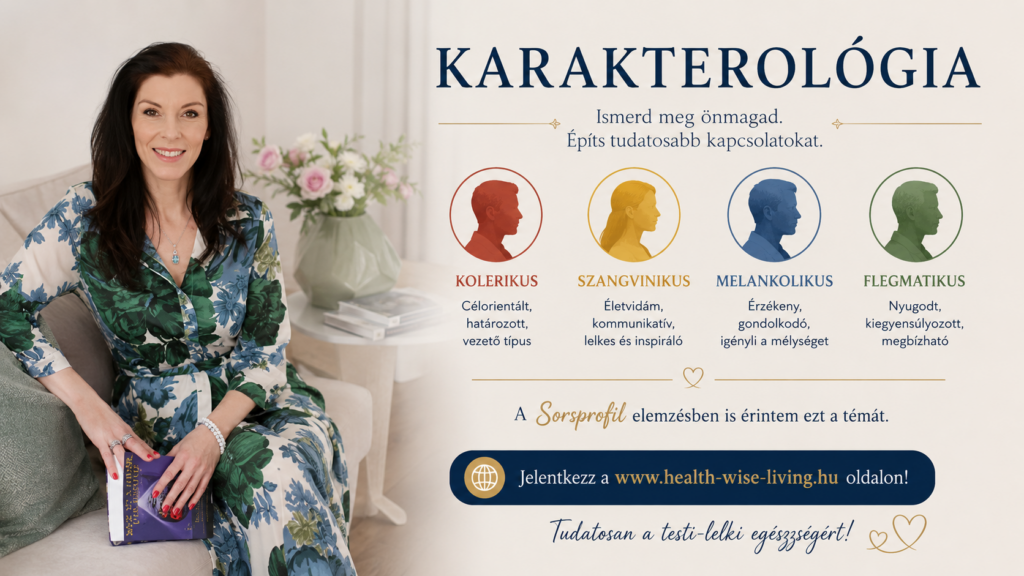
I have several podcast conversations with Hurton Maya on this topic, which are available on my page. These episodes offer additional perspectives on self-awareness and understanding human behavior.
What is characterology?
Characterology is the study of human character, temperament, and personality traits. It seeks to understand why we behave the way we do, what inner patterns shape us, and how we connect with others.
It is not about labeling people, but about understanding. It helps us recognize our natural strengths, challenges, and why we may react differently to the same situation compared to others.
The origins of characterology
The roots of this system go back to the ancient Greek physician Hippocrates (460–370 BC) and his student Galen (129–199 AD). Their theory suggested that four bodily fluids—blood, yellow bile, black bile, and phlegm—determine human temperament through their balance.
This was one of the earliest attempts to systematize human behavioral differences. Although modern psychology uses more complex models today, the four-temperament system remains an important tool for self-awareness.
The four temperaments
Choleric – the power of fire 🔥
Element: Fire
The choleric personality is decisive, energetic, and goal-oriented. They like to take control, make quick decisions, and naturally focus on solutions.
Their strengths include leadership skills, courage, determination, and strong drive. They are able to move processes forward quickly and are not afraid of challenges.
Their challenges may include impatience, impulsive reactions, or a strong need for control. They may sometimes overlook the pace or sensitivity of others.
In relationships, they often take a leading role. However, with awareness, they can become inspiring, protective, and stable partners.
Sanguine – the lightness of air 🌬️
Element: Air
The sanguine personality is open, sociable, and enthusiastic. They easily form connections, quickly get excited about new experiences, and tend to have an optimistic outlook on life.
Their strengths are communication, creativity, and adaptability. They uplift their environment and naturally connect with others.
Their challenges may include inconsistency, lack of focus, or difficulty paying attention to details. They may start many things but not always finish them.
In relationships, they bring inspiration and joy, but they also need structure and direction to stay balanced.
Melancholic – the depth of earth 🌱
Phlegmatic – the calmness of waterthrough carefully and tend to remain stable over the long term.
Their challenges may include self-criticism, anxiety tendencies, or a pessimistic mindset. They may also overanalyze situations.
In relationships, they form deep emotional bonds but may find it difficult to let go and can sometimes withdraw inward.
Flegmatikus – a víz nyugalma 🌊
Alapelem: Víz
A flegmatikus ember nyugodt, békés és kiegyensúlyozott. Fontos számára a harmónia, a stabilitás és a konfliktusok elkerülése.
Erőssége a higgadtság, az empátia és a megbízhatóság. Képes stabil jelenlétet adni a környezetének, és jó közvetítő lehet feszült helyzetekben.
Kihívása lehet a döntésnehézség, a passzivitás vagy az alacsonyabb belső motiváció. Előfordulhat, hogy saját igényeit háttérbe helyezi.
Kapcsolataiban béketeremtő, hűséges és elfogadó társ, aki biztonságot sugároz.
The role of Sorsprofil and characterology today
Destiny Profile and characterology are not only theoretical models but also practical tools for self-awareness.
They help us better understand our own reactions and behaviors, as well as why other people operate differently. This increases reflection and awareness.
In relationships, they support acceptance of differences and reduce misunderstandings. In communication, they help us adapt to how others best receive information.
They are also valuable in teamwork and partnerships, as they reveal the underlying personality dynamics shaping interactions.
Destiny Profile and characterology together offer a kind of map that helps us navigate ourselves and our relationships more consciously. The deeper we understand our own temperament, the more intentionally we can show up in life and in connection with others.